

----------------------------------
Summary of Book
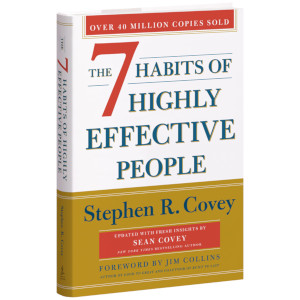
“7 Habits of Highly Effective People” By Stephen R. Covey
परिचय: भारतीय युवाओं के लिए यह पुस्तक क्यों महत्वपूर्ण है
आज का भारतीय युवा कड़ी प्रतिस्पर्धा का सामना कर रहा है।
पढ़ाई, नौकरी, व्यवसाय और समाज—हर जगह दबाव है।
स्टीफन आर. कोवे की यह पुस्तक बताती है कि:
सफलता संयोग नहीं है
सफलता केवल प्रतिभा से नहीं आती
सफलता सही आदतों से आती है
यह पुस्तक युवाओं को सोच बदलना, जिम्मेदारी लेना और अनुशासन सीखना सिखाती है।
पैराडाइम शिफ्ट: सोच बदलना
पैराडाइम यानी जीवन को देखने का नजरिया।
अधिकांश लोग सोचते हैं:
“हालात बदलेंगे तो मैं बदलूँगा”
“दूसरे सुधरेंगे तो मेरी जिंदगी सुधरेगी”
कोवे कहते हैं:
👉 पहले खुद बदलो, दुनिया अपने आप बदलेगी।
आदत 1: प्रोएक्टिव बनें
अर्थ
अपने जीवन की पूरी जिम्मेदारी खुद लें।
रिएक्टिव व्यक्ति:
दोष देता है
बहाने बनाता है
प्रोएक्टिव व्यक्ति:
समाधान खोजता है
मेहनत करता है
भारतीय उदाहरण
बेरोजगार युवा:
रिएक्टिव: “सरकार कुछ नहीं कर रही”
प्रोएक्टिव: “मैं नई स्किल सीखूँगा”
👉 हम परिस्थितियों पर नहीं, अपने उत्तर पर नियंत्रण रखते हैं।
आदत 2: अंत को ध्यान में रखकर शुरुआत करें
अर्थ
जीवन का लक्ष्य पहले तय करें।
खुद से पूछें:
मैं कैसा इंसान बनना चाहता हूँ?
मेरे जीवन का उद्देश्य क्या है?
जैसे घर का नक्शा पहले बनता है,
वैसे ही जीवन की योजना जरूरी है।
आदत 3: पहली चीज़ को पहले रखें
अर्थ
समय और जीवन को सही प्राथमिकता दें।
महत्वपूर्ण काम:
पढ़ाई
स्किल
स्वास्थ्य
योजना
👉 अनुशासन ही सफलता की चाबी है।
आदत 4: विन-विन सोच रखें
अर्थ
ऐसी सोच जहाँ सबका भला हो।
जीवन संघर्ष नहीं, सहयोग है।
परिवार, समाज और कार्यस्थल पर
विन-विन सोच शांति लाती है।
आदत 5: पहले समझें, फिर समझाएँ
अर्थ
सही सुनना सबसे बड़ी कला है।
बिना टोके, बिना जज किए सुनना
रिश्तों को मजबूत बनाता है।
आदत 6: तालमेल (Synergy)
अर्थ
मिलकर काम करने से बेहतर परिणाम मिलते हैं।
भिन्न विचार कमजोरी नहीं, ताकत हैं।
आदत 7: स्वयं को निखारते रहें
अर्थ
शरीर, दिमाग, मन और आत्मा—चारों का ख्याल रखें।
संतुलित जीवन ही सच्ची सफलता है।
अंतिम निष्कर्ष
सफलता एक दिन की घटना नहीं है।
यह रोज़ की अच्छी आदतों का परिणाम है।
यदि भारतीय युवा इन 7 आदतों को अपनाएँ,
तो वे न केवल सफल, बल्कि सम्मानित और संतुष्ट जीवन जी सकते हैं।
Summary of Book ” The 7 Habits of Highly Effective People “By Stephen R. Covey
Introduction: Why This Book Matters for Indian Youth
In today’s India, young people face many challenges.
There is competition everywhere—education, jobs, business, and even social life. Many youths feel confused, stressed, unemployed, or directionless. They work hard, yet results do not come as expected.
Stephen R. Covey’s book The 7 Habits of Highly Effective People gives clear answers to these problems.
This book teaches that:
Success is not luck
Success is not talent alone
Success is the result of strong habits and correct thinking
Covey explains that people fail not because they are weak, but because they follow wrong habits unknowingly.
This book is useful for:
Students
Competitive exam aspirants
Unemployed youth
Working professionals
Entrepreneurs
Parents and teachers
Paradigm Shift: Changing the Way We See Life
Covey talks about paradigm, which means the way we see the world.
Many people see life like this:
“If others change, my life will improve”
“If government improves, I will succeed”
“If situation becomes better, I will work harder”
Covey says this thinking is wrong.
Inside-Out Approach
Real change always starts from inside, not outside.
Wrong approach:
Change job → life will improve
Change city → problems will end
Change people → happiness will come
Correct approach:
Change thinking
Change attitude
Change habits
When inner change happens, outer success follows naturally.
Habit 1: Be Proactive
What Does Proactive Mean?
Being proactive means taking full responsibility for your life.
Proactive people understand:
They cannot control everything
But they can control their response
Reactive people blame:
Parents
Teachers
Government
Economy
Luck
Proactive people say:
“I will find a solution”
“I will learn new skills”
“I will improve myself”
Circle of Concern vs Circle of Influence
Covey explains two circles:
Circle of Concern: Things we worry about but cannot control
(politics, economy, others’ behavior)Circle of Influence: Things we can control
(our actions, skills, attitude)
Successful people focus on Circle of Influence.
Indian Youth Example
An unemployed graduate:
Reactive: “No jobs in India”
Proactive: “I will upskill, freelance, or prepare better”
👉 Freedom lies between stimulus and response.
Habit 2: Begin with the End in Mind
Meaning of This Habit
This habit teaches us to decide our destination before starting the journey.
Many people live life without thinking:
Why am I studying?
Where am I going?
What kind of person do I want to become?
Covey says:
“If you do not decide your future, someone else will decide it for you.”
Life Is Created Twice
First creation – in the mind (thinking, planning)
Second creation – in reality (action)
Without first creation, second creation fails.
Personal Mission Statement
Covey advises everyone to write a personal mission statement, which includes:
Core values (honesty, discipline, respect)
Life goals
Purpose of life
For Indian Youth
Do not run only behind:
Degree
Salary
Social pressure
Think about:
Character
Health
Family responsibility
Contribution to society
Habit 3: Put First Things First
The Habit of Self-Discipline
This habit is about managing life, not just time.
Covey introduces the Time Management Matrix:
Urgent & Important
Exams, deadlines, illness
Important but Not Urgent
Skill learning, exercise, planning
Urgent but Not Important
Phone calls, interruptions
Not Urgent & Not Important
Social media, gossip, binge watching
Most people waste time in Quadrant 3 and 4.
Highly effective people focus on Quadrant 2.
Indian Youth Application
Daily habits:
Fixed study hours
Skill improvement
Physical fitness
Reading
👉 Discipline is choosing long-term success over short-term pleasure.
Habit 4: Think Win-Win
Understanding Win-Win Thinking
Win-Win is a belief that everyone can succeed.
Other mindsets:
Win-Lose: “I win, you lose”
Lose-Win: “I lose, you win”
Lose-Lose: “If I lose, you should also lose”
Win-Win says:
Respect others
Create mutual benefit
Indian Context
Conflicts in:
Families
Offices
Society
Mostly happen due to ego and comparison.
Win-Win thinking creates harmony.
Habit 5: Seek First to Understand, Then to Be Understood
Power of Listening
Most people listen only to reply, not to understand.
Covey teaches empathetic listening:
Listen without judging
Listen without interrupting
Understand emotions
Benefits
Strong relationships
Trust
Leadership skills
For Indian youth, this habit improves:
Parent-child relationships
Workplace communication
Social confidence
Habit 6: Synergize
Meaning of Synergy
Synergy means working together creatively.
“Unity is strength” is the base of synergy.
When people respect differences:
Better ideas come
Faster solutions appear
Indian Culture Connection
Indian society already values teamwork.
Covey explains how to use diversity positively.
Habit 7: Sharpen the Saw
Self-Renewal Habit
Sharpening the saw means taking care of yourself.
Ignoring health, learning, and emotions leads to burnout.
Four Dimensions of Renewal
Physical – Exercise, sleep, food
Mental – Reading, learning
Emotional – Relationships, service
Spiritual – Values, meditation, purpose
Balanced life = Long-term success.
Final Conclusion
Stephen R. Covey’s book teaches that success is built from within.
By practicing these 7 habits daily:
Youth become confident
Youth become disciplined
Youth become respected
Youth become successful leaders
This book is not for reading once, but for living daily.