

----------------------------------
Summary of Book
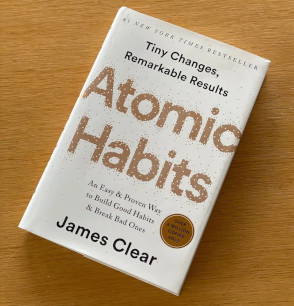
ATOMIC HABITS By James Clear
( In Hindi & English )
परिचय: छोटी आदतों की बड़ी ताकत
Atomic का मतलब है बहुत छोटी चीज, लेकिन बहुत शक्तिशाली।
जेम्स क्लियर बताते हैं कि छोटी-छोटी आदतें रोज़ अपनाने से बड़ी सफलता मिलती है।
अगर आप हर दिन सिर्फ 1% बेहतर बनते हैं, तो एक साल में आपकी ज़िंदगी बदल सकती है।
👉 आदतें आत्म-विकास का ब्याज (Compound Interest) हैं।
अध्याय 1: छोटे बदलाव, बड़े नतीजे
लोग सोचते हैं सफलता लक्ष्य से मिलती है, लेकिन लेखक कहते हैं:
लक्ष्य नहीं, सिस्टम ज़रूरी है
लक्ष्य = क्या पाना है
सिस्टम = रोज़ क्या करना है
👉 प्रक्रिया से प्यार करें, नतीजे अपने आप आएँगे।
अध्याय 2: पहचान (Identity) और आदतें
तीन स्तर होते हैं:
परिणाम
प्रक्रिया
पहचान
❌ “मैं किताब पढ़ना चाहता हूँ”
✅ “मैं एक पाठक हूँ”
👉 हर आदत आपके भविष्य के व्यक्तित्व को एक वोट देती है।
अध्याय 3: आदत कैसे बनती है
हर आदत में 4 स्टेप होते हैं:
संकेत (Cue)
इच्छा (Craving)
क्रिया (Action)
इनाम (Reward)
इसी चक्र को समझकर हम आदतें बदल सकते हैं।
🔑 व्यवहार बदलने के चार नियम
नियम 1: आदत को साफ-साफ दिखाइए
अच्छा दिखे → आदत बने
बुरा छुपाइए → आदत टूटे
👉 पर्यावरण इच्छाशक्ति से ज़्यादा ताकतवर है।
नियम 2: आदत को आकर्षक बनाइए
अच्छी आदत को मज़ेदार बनाइए
पसंद की चीज़ को ज़रूरी काम से जोड़िए
👉 दिमाग वही दोहराता है जो अच्छा लगता है।
नियम 3: आदत को आसान बनाइए
अच्छे काम आसान
बुरे काम मुश्किल
2-मिनट नियम
शुरुआत सिर्फ 2 मिनट की करें।
👉 निरंतरता, मेहनत से ज़्यादा ज़रूरी है।
नियम 4: आदत को संतोषजनक बनाइए
तुरंत संतोष मिले
प्रगति दिखे
खुद को इनाम दें
👉 जिसे इनाम मिलता है, वही दोहराया जाता है।
🚫 बुरी आदत कैसे छोड़ें
दिखाई न दे
आकर्षक न लगे
करना मुश्किल हो
नुकसान महसूस हो
अंतिम संदेश
आदतें भविष्य बनाती हैं
छोटे कदम, बड़ी जीत
रोज़ थोड़ा बेहतर बनें
👉 आप लक्ष्य तक नहीं पहुँचते,
आप अपने सिस्टम तक गिरते हैं।
Introduction: Why Small Habits Matter
James Clear explains that big success does not come from big changes, but from small daily habits.
The word Atomic means very small, but also very powerful.
When small habits are repeated daily, they create extraordinary results over time.
Example:
If you improve just 1% every day, you will become 37 times better in one year.
If you get 1% worse daily, you will slowly destroy your progress.
👉 Habits are the compound interest of self-improvement.
Chapter 1: The Power of Tiny Changes
Many people think success comes from motivation or talent, but James Clear says systems are more important than goals.
Goals tell you where to go
Systems tell you how to go there
Example:
Goal: Lose 10 kg
System: Daily walking, healthy food, fixed sleep time
If you focus only on goals, you may feel disappointed after achieving them.
If you focus on systems, success becomes automatic.
👉 Fall in love with the process, not just the result.
Chapter 2: How Habits Shape Your Identity
This is one of the most important ideas in the book.
There are three levels of change:
Outcome-based – what you want to achieve
Process-based – what you do every day
Identity-based – who you believe you are
Most people start from outcomes.
Successful people start from identity.
Example:
❌ “I want to read books”
✅ “I am a reader”
❌ “I want to quit smoking”
✅ “I am not a smoker”
👉 Every habit is a vote for the type of person you want to become.
Chapter 3: How Habits Are Formed (Habit Loop)
Every habit follows a 4-step cycle:
Cue – trigger that starts the habit
Craving – desire to do it
Response – the action
Reward – satisfaction or pleasure
Example:
Cue: Phone notification
Craving: Curiosity
Response: Checking phone
Reward: Feeling informed
To change habits, we must understand this loop.
🔑 The Four Laws of Behavior Change
James Clear gives a simple formula to build good habits and break bad ones.
LAW 1: Make It Obvious
(Design your environment)
Most habits happen because of what we see around us.
If something is visible, we are more likely to do it.
Examples:
Keep books on your table → You will read more
Keep fruits visible → You will eat healthy
Hide junk food → You will eat less junk
👉 Environment is stronger than willpower.
Habit Stacking
Attach a new habit to an existing habit.
Formula:
After I do current habit, I will do new habit
Example:
After brushing teeth, I will meditate for 2 minutes
After morning tea, I will read 2 pages
LAW 2: Make It Attractive
We repeat habits that feel pleasurable.
Dopamine and Habits
Our brain releases dopamine before we get a reward.
That means anticipation drives habits.
Temptation Bundling
Combine something you want with something you need.
Example:
Watch Netflix only while exercising
Listen to music only while studying
👉 Make good habits feel exciting.
LAW 3: Make It Easy
The golden rule:
Reduce friction for good habits, increase friction for bad habits
Examples:
Want to exercise? Keep shoes ready
Want to stop phone use? Keep phone in another room
The Two-Minute Rule
Start habits that take less than 2 minutes.
Examples:
Read one page
Do one push-up
Write one sentence
Small habits grow naturally.
👉 Consistency is more important than intensity.
LAW 4: Make It Satisfying
We repeat habits that give immediate satisfaction.
Bad habits feel good now, bad later.
Good habits feel hard now, good later.
Solution:
Track habits
Reward yourself
Use visual progress (calendar, checklist)
Example:
Mark an ❌ on calendar every day you follow habit.
Do not break the chain.
👉 What gets rewarded gets repeated.
🚫 How to Break Bad Habits
Reverse the four laws:
Make it Invisible
Make it Unattractive
Make it Difficult
Make it Unsatisfying
Example (Phone Addiction):
Keep phone away
Turn screen black & white
Log out of apps
Add penalty (fine or accountability partner)
Advanced Ideas
Plateau of Latent Potential
Results are delayed.
People quit too early because progress is invisible.
Like ice melting:
Temperature rises from -5°C to 0°C → no change
At 1°C → ice melts suddenly
👉 Your efforts are not wasted; they are stored.
Habits and Mastery
Once habit is formed, continue improving.
Use feedback, reflection, and review.
Ask:
What worked?
What didn’t?
What can I improve by 1%?
Conclusion: The Secret to Lasting Change
Success is daily practice
Habits shape identity
Small actions create big future
👉 You do not rise to the level of your goals.
You fall to the level of your systems.