

----------------------------------
“Skill Training in China“
“चीन में कौशल प्रशिक्षण“
( In Hindi & English )
Click to Read in English
(भारत से तुलना और विभिन्न भूमिकाओं के अनुसार विश्लेषण सहित)
परिचय
कौशल विकास आर्थिक वृद्धि, रोजगार सृजन और राष्ट्रीय प्रतिस्पर्धा के लिए सबसे महत्वपूर्ण कारकों में से एक है। जो देश कौशल प्रशिक्षण में अधिक निवेश करते हैं, वे एक मजबूत कार्यबल तैयार करते हैं, जो उद्योग, नवाचार और बुनियादी ढांचे के विकास में सहायक होता है।
चीन इसका एक बहुत अच्छा उदाहरण है, जहाँ बड़े स्तर पर कौशल प्रशिक्षण ने तेज औद्योगिक विकास और वैश्विक प्रतिस्पर्धा में महत्वपूर्ण भूमिका निभाई है। पिछले कुछ दशकों में, चीन एक निम्न आय वाले देश से एक विनिर्माण और तकनीकी शक्ति बन गया है। इसके पीछे एक बड़ा कारण इसका मजबूत व्यावसायिक शिक्षा और कौशल प्रशिक्षण तंत्र है।
भारत के लिए, जहाँ हर साल बड़ी संख्या में युवा कार्यबल में शामिल हो रहे हैं, चीन के मॉडल को समझना बहुत महत्वपूर्ण है।
1. चीन में कौशल प्रशिक्षण का अवलोकन
चीन का कौशल प्रशिक्षण तंत्र संगठित, उद्योग-केंद्रित और सरकार द्वारा समर्थित है।
मुख्य विशेषताएँ
- मजबूत सरकारी नियंत्रण और योजना
- उद्योग और प्रशिक्षण संस्थानों के बीच घनिष्ठ संबंध
- व्यावहारिक और हाथों से सीखने पर जोर
- बड़ी संख्या में व्यावसायिक स्कूल
- निरंतर कौशल उन्नयन (Upskilling)
चीन में कौशल प्रशिक्षण को एक दूसरे विकल्प के रूप में नहीं, बल्कि शैक्षणिक शिक्षा के बराबर महत्व दिया जाता है।
2. चीन में कौशल प्रशिक्षण की संरचना
चीन की व्यावसायिक शिक्षा तीन स्तरों में विभाजित है:
(1) माध्यमिक व्यावसायिक शिक्षा
- मिडिल स्कूल के बाद
- छात्र तकनीकी स्कूल में जाते हैं
- बुनियादी कौशल पर ध्यान
(2) उच्च व्यावसायिक शिक्षा
- माध्यमिक शिक्षा के बाद
- पॉलिटेक्निक कॉलेज
- उन्नत तकनीकी कौशल
(3) वयस्क और निरंतर शिक्षा
- काम करने वाले लोगों के लिए
- कौशल उन्नयन
- जीवन भर सीखना
3. चीन के कौशल प्रशिक्षण की मुख्य ताकतें
(1) उद्योग से जुड़ाव
प्रशिक्षण कार्यक्रम सीधे उद्योगों से जुड़े होते हैं।
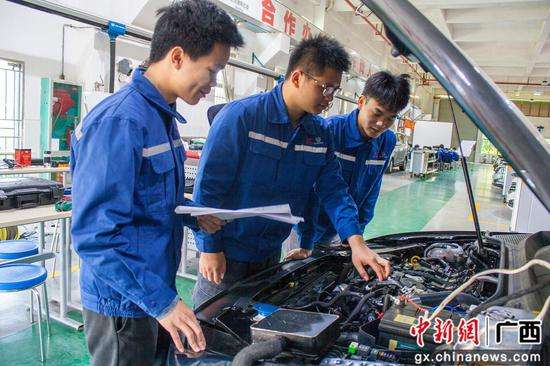
- छात्र प्रशिक्षण के दौरान फैक्ट्रियों में काम करते हैं
- वास्तविक अनुभव प्राप्त करते हैं
👉 इससे शिक्षा और रोजगार के बीच का अंतर कम होता है।
(2) व्यावहारिक सीख
- 60–70% ध्यान प्रैक्टिकल पर
- आधुनिक उपकरणों का उपयोग
👉 छात्र नौकरी के लिए तैयार हो जाते हैं।
(3) सरकारी सहयोग
- नीतियाँ और वित्तीय सहायता
- बुनियादी ढाँचा विकास
- कौशल मिशन
(4) कुशल श्रमिकों का सम्मान
- कुशल कार्यों को सम्मान
- अच्छा वेतन और विकास
👉 समाज में कोई हीन भावना नहीं।
(5) बड़े स्तर पर कार्यान्वयन
- हर साल लाखों छात्रों को प्रशिक्षण
- पूरे देश में नेटवर्क
4. विभिन्न भूमिकाओं के अनुसार समझ
A. छात्र
विवरण
छात्र प्रारंभिक स्तर पर ही कौशल प्रशिक्षण में प्रवेश करते हैं।
लाभ
- स्पष्ट करियर मार्ग
- जल्दी कौशल विकास
- रोजगार के अवसर
उपयोग क्षेत्र
- विनिर्माण
- आईटी
- निर्माण
B. इंजीनियर
विवरण
इंजीनियर थ्योरी और प्रैक्टिकल दोनों में मजबूत होते हैं।
लाभ
- उद्योग के लिए तैयार
- नवाचार क्षमता
उपयोग क्षेत्र
- इंफ्रास्ट्रक्चर
- तकनीकी कंपनियाँ
C. शिक्षक
विवरण
शिक्षकों को थ्योरी और प्रैक्टिकल दोनों का प्रशिक्षण दिया जाता है।
लाभ
- बेहतर शिक्षण
- उद्योग की समझ
D. प्रशिक्षक
विवरण
प्रशिक्षक अक्सर उद्योग विशेषज्ञ होते हैं।
लाभ
- वास्तविक प्रशिक्षण
- नवीनतम ज्ञान
E. प्राचार्य
विवरण
प्राचार्य संस्थानों का प्रभावी संचालन करते हैं।
भूमिका
- उद्योग से संबंध बनाए रखना
- गुणवत्ता सुनिश्चित करना
F. प्रबंधक
विवरण
प्रबंधक कुशल कार्यबल का सही उपयोग करते हैं।
लाभ
- उच्च उत्पादकता
- कुशल संचालन
G. योजनाकार
विवरण
योजनाकार राष्ट्रीय आवश्यकताओं के अनुसार योजना बनाते हैं।
लाभ
- संतुलित विकास
- भविष्य की तैयारी
H. नीति निर्माता
विवरण
सरकार की महत्वपूर्ण भूमिका होती है।
कार्य
- नीति निर्माण
- वित्तीय सहायता
- निगरानी
I. तकनीशियन
विवरण
तकनीशियन अत्यधिक कुशल और सम्मानित होते हैं।
लाभ
- नौकरी की सुरक्षा
- अच्छा वेतन
J. युवा
विवरण
युवाओं को जल्दी कौशल सीखने के लिए प्रेरित किया जाता है।
लाभ
- रोजगार
- स्वरोजगार
K. प्रस्तुतकर्ता
विवरण
प्रशिक्षण देने में उपयोग होते हैं।
भूमिका
- तकनीकी ज्ञान देना
- प्रशिक्षण प्रदान करना
5. भारत में कौशल प्रशिक्षण
भारत ने भी कौशल विकास पर ध्यान देना शुरू किया है।
प्रमुख योजनाएँ
- स्किल इंडिया मिशन
- आईटीआई (औद्योगिक प्रशिक्षण संस्थान)
- NSDC
- PMKVY
भारत की ताकत
- बड़ी युवा जनसंख्या
- बढ़ती जागरूकता
- सरकारी योजनाएँ
भारत की चुनौतियाँ
(1) प्रैक्टिकल प्रशिक्षण की कमी
- थ्योरी पर अधिक ध्यान
- हाथों का अनुभव कम
(2) उद्योग से कमजोर जुड़ाव
- प्रशिक्षण उद्योग की जरूरत के अनुसार नहीं
(3) सामाजिक सोच
- डिग्री को अधिक महत्व
- आईटीआई को कम महत्व
(4) बुनियादी ढाँचे की कमी
- पुराने उपकरण
- आधुनिक लैब की कमी
(5) प्रशिक्षकों की गुणवत्ता
- उद्योग अनुभव की कमी
6. तुलना: चीन और भारत
| पहलू | चीन | भारत |
|---|---|---|
| फोकस | कौशल आधारित | डिग्री आधारित |
| प्रैक्टिकल | अधिक | मध्यम |
| उद्योग जुड़ाव | मजबूत | कमजोर |
| सामाजिक सम्मान | अधिक | कम |
| सरकारी नियंत्रण | मजबूत | विकासशील |
| रोजगार | सीधे जुड़ा | सीमित |
7. भारत के लिए सीख
(1) प्रैक्टिकल प्रशिक्षण बढ़ाना
- हाथों से सीखना
- आधुनिक लैब
(2) उद्योग से जुड़ाव मजबूत करना
- इंटर्नशिप
- उद्योग साझेदारी
(3) सोच बदलना
- कौशल को सम्मान देना
- व्यावसायिक शिक्षा को बढ़ावा
(4) बुनियादी ढाँचा सुधारना
- आधुनिक उपकरण
- डिजिटल साधन
(5) प्रशिक्षकों का प्रशिक्षण
- उद्योग अनुभव
- निरंतर सीखना
8. भारत में विभिन्न भूमिकाओं के लिए सुधार
छात्र
- पढ़ाई के साथ कौशल सीखें
इंजीनियर
- प्रैक्टिकल ज्ञान बढ़ाएँ
शिक्षक
- नए तरीके अपनाएँ
प्रबंधक
- कौशल विकास को बढ़ावा दें
नीति निर्माता
- बेहतर नीतियाँ बनाएँ
युवा
- केवल डिग्री पर निर्भर न रहें
9. कौशल प्रशिक्षण का भविष्य
- AI और ऑटोमेशन
- डिजिटल कौशल
- ग्रीन एनर्जी
- उन्नत विनिर्माण
भारत को इसके लिए तैयार रहना होगा।
10. निष्कर्ष
चीन की सफलता से स्पष्ट है कि:
- मजबूत योजना
- प्रैक्टिकल प्रशिक्षण
- उद्योग से जुड़ाव
किसी भी देश को आगे बढ़ा सकते हैं।
भारत में भी क्षमता है, यदि:
- प्रशिक्षण की गुणवत्ता सुधारी जाए
- सोच बदली जाए
- उद्योग से जुड़ाव बढ़ाया जाए
अंतिम विचार:
कौशल ही किसी राष्ट्र की असली ताकत है।
जो देश कौशल विकास में निवेश करते हैं, वे मजबूत अर्थव्यवस्था और बेहतर भविष्य बनाते हैं।
Skill Training in China
(With Comparison to India and Role-Based Analysis)
Introduction
Skill development is one of the most important factors for economic growth, employment generation, and national competitiveness. Countries that invest heavily in skill training create a strong workforce that supports industries, innovation, and infrastructure development.
China is one of the best examples in the world where large-scale skill training has contributed to rapid industrial growth and global competitiveness. Over the past few decades, China has transformed from a low-income country into a manufacturing and technological powerhouse. A major reason behind this transformation is its strong vocational education and skill training system.
For India, where a large youth population is entering the workforce every year, understanding China’s skill training model is very important.
1. Overview of Skill Training in China
China’s skill training system is well-structured, industry-oriented, and government-supported.
Key Features
- Strong government control and planning
- Close connection between industry and training institutes
- Focus on practical and hands-on learning
- Large number of vocational schools
- Continuous upskilling and reskilling
China treats skill training not as a secondary option but as an equal alternative to academic education.
2. Structure of Skill Training System in China
China’s vocational system is divided into three levels:
(1) Secondary Vocational Education
- After middle school
- Students join technical schools
- Focus on basic skills
(2) Higher Vocational Education
- After secondary school
- Polytechnic colleges
- Advanced technical skills
(3) Adult and Continuing Education
- For workers
- Skill upgradation
- Lifelong learning
3. Key Strengths of China’s Skill Training
(1) Industry Integration
Training programs are directly linked with industries.
- Students work in factories during training
- Real-world exposure
👉 This reduces the gap between education and employment.
(2) Practical Learning
- 60–70% focus on practical training
- Use of modern equipment
👉 Students become job-ready.
(3) Government Support
- Policies and funding
- Infrastructure development
- Skill missions
(4) Respect for Skilled Workers
- Skilled jobs are respected
- Good salary and growth
👉 No social stigma.
(5) Large Scale Implementation
- Millions of students trained every year
- Nationwide network
4. Role-Based Understanding of Skill Training in China
A. Student
Description
Students enter vocational training early.
Benefits
- Clear career path
- Early skill development
- Employment opportunities
Where It Is Used
- Manufacturing
- IT
- Construction
B. Engineer
Description
Engineers in China combine theory with strong practical skills.
Benefits
- Industry-ready knowledge
- Innovation capability
Where It Is Used
- Infrastructure projects
- Technology companies
C. Teacher
Description
Teachers are trained in both theory and practical skills.
Benefits
- Better teaching quality
- Industry knowledge
D. Instructor / Trainer
Description
Trainers are often industry experts.
Benefits
- Real-world training
- Updated knowledge
E. Principal / Academic Leader
Description
Principals manage vocational institutes efficiently.
Role
- Maintain industry partnerships
- Ensure quality training
F. Manager
Description
Managers use skilled workforce effectively.
Benefits
- High productivity
- Efficient operations
G. Planner
Description
Planners align skill training with national needs.
Benefits
- Balanced development
- Future readiness
H. Policy Makers
Description
Government plays a strong role.
Actions
- Policy design
- Funding
- Monitoring
I. Technician
Description
Technicians are highly skilled and respected.
Benefits
- Job security
- Good salary
J. Youth
Description
Youth are encouraged to learn skills early.
Benefits
- Employment
- Entrepreneurship
K. Presenter / Trainer
Description
Used for training delivery.
Role
- Communicate technical knowledge
- Train workers
5. Skill Training in India
India has also started focusing on skill development.
Key Initiatives
- Skill India Mission
- ITI (Industrial Training Institutes)
- NSDC (National Skill Development Corporation)
- PMKVY (Pradhan Mantri Kaushal Vikas Yojana)
Strengths of India
- Large youth population
- Growing awareness
- Government initiatives
Challenges in India
(1) Lack of Practical Training
- More focus on theory
- Limited hands-on experience
(2) Weak Industry Link
- Training not aligned with industry needs
(3) Social Mindset
- Preference for degree over skills
- ITI seen as second option
(4) Infrastructure Issues
- Outdated equipment
- Lack of modern labs
(5) Quality of Trainers
- Lack of industry exposure
6. Comparison: China vs India
| Aspect | China | India |
|---|---|---|
| Focus | Skill-based | Degree-based |
| Practical Training | High | Moderate |
| Industry Link | Strong | Weak |
| Social Respect | High | Low |
| Government Control | Strong | Developing |
| Employment Link | Direct | Limited |
7. Lessons for India from China
(1) Improve Practical Training
- Increase hands-on learning
- Modern labs
(2) Strengthen Industry Link
- Internships
- Industry partnerships
(3) Change Mindset
- Respect skilled jobs
- Promote vocational education
(4) Upgrade Infrastructure
- Modern equipment
- Digital tools
(5) Train Trainers
- Industry exposure
- Continuous learning
8. How Different Roles Can Improve in India
Students
- Learn skills along with studies
- Join training programs
Engineers
- Focus on practical knowledge
- Learn software
Teachers
- Update teaching methods
- Use practical examples
Managers
- Support skill training
- Encourage workforce development
Policy Makers
- Improve policies
- Focus on implementation
Youth
- Avoid only degree focus
- Learn skills
9. Future of Skill Training
- AI and automation
- Digital skills
- Green energy jobs
- Advanced manufacturing
India must prepare for these changes.
10. Conclusion
China’s success in skill training shows that:
- Strong planning
- Practical focus
- Industry connection
can transform a nation.
India has the potential to achieve similar success if it:
- Improves training quality
- Changes mindset
- Strengthens industry link
Final Thought
Skills are the real power of a nation.
Countries that invest in skill development create stronger economies and better opportunities for their people.