

----------------------------------
“Mental and Psychological Training of India’s Elite SPG Commandos“
“भारत के विशिष्ट एसपीजी कमांडो का मानसिक और मनोवैज्ञानिक प्रशिक्षण“
( In Hindi & English )
Click to Read in English
(युवाओं के लिए दैनिक जीवन में अपनाने योग्य सीख के साथ)
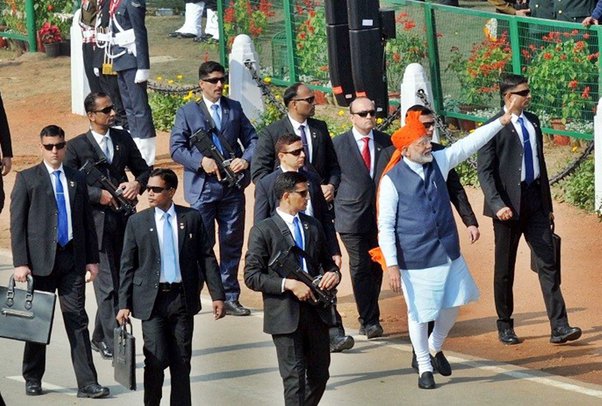
जब हम भारत की सबसे श्रेष्ठ सुरक्षा बलों की बात करते हैं, तो सबसे ऊपर नाम आता है — Special Protection Group (SPG) का। यह संस्था भारत के प्रधानमंत्री तथा पूर्व प्रधानमंत्रियों और उनके निकट परिवार के सदस्यों को नज़दीकी सुरक्षा प्रदान करती है (वर्तमान कानूनों के अनुसार)।
इनका कार्य केवल सुरक्षा देना नहीं है, बल्कि “शून्य-त्रुटि सुरक्षा” देना है। एक छोटी सी गलती इतिहास बदल सकती है। इसी कारण इनका प्रशिक्षण — विशेषकर मानसिक और मनोवैज्ञानिक प्रशिक्षण — विश्व के सबसे कठोर और उन्नत प्रशिक्षणों में से एक माना जाता है।
इस लेख में हम विस्तार से समझेंगे:
शारीरिक प्रशिक्षण
मानसिक दृढ़ता का विकास
मनोवैज्ञानिक तैयारी
परिस्थितिजन्य जागरूकता
भावनात्मक नियंत्रण
तनाव सहनशीलता प्रशिक्षण
दबाव में निर्णय लेना
टीम मनोविज्ञान
आदत प्रणाली और अनुशासन
और युवा इन सिद्धांतों को अपने जीवन में कैसे अपनाएँ
1. एसपीजी प्रशिक्षण का मूल दर्शन
तकनीकों को समझने से पहले, प्रशिक्षण के पीछे की सोच समझना आवश्यक है।
एसपीजी कमांडो तीन मूल सिद्धांतों पर प्रशिक्षित किए जाते हैं:
प्रतिक्रिया से बेहतर है रोकथाम।
तैयारी ही जीवन रक्षा है।
मन पर नियंत्रण = परिणाम पर नियंत्रण।
अन्य बल जहाँ आक्रमण कर सकते हैं, वहीं एसपीजी का मुख्य कार्य संरक्षण है। इसका अर्थ है:
खतरे को पहले ही भाँप लेना
लंबे समय तक सतर्क रहना
चारों ओर अफरा-तफरी होने पर भी शांत रहना
कुछ ही सेकंड में बिना घबराहट प्रतिक्रिया देना
इसके लिए असाधारण मानसिक तैयारी आवश्यक होती है।
2. शारीरिक प्रशिक्षण: शरीर को हथियार और ढाल बनाना
मानसिक आत्मविश्वास की नींव शारीरिक शक्ति है। एसपीजी का शारीरिक प्रशिक्षण निम्न प्रकार का होता है:
(क) शक्ति प्रशिक्षण
कमांडो विकसित करते हैं:
कार्यात्मक शक्ति
विस्फोटक ताकत
शरीर के मध्य भाग की स्थिरता
पकड़ की शक्ति
उन्हें प्रशिक्षित किया जाता है:
वीआईपी को उठाकर सुरक्षित स्थान तक ले जाने के लिए
हथियार और सुरक्षा उपकरण ढोने के लिए
तेज़ दौड़ लगाने के लिए
नज़दीकी मुकाबले के लिए
इसमें बाधा दौड़, वजन के साथ दौड़, क्लोज कॉम्बैट अभ्यास और बॉडीवेट एक्सरसाइज शामिल होती हैं।
(ख) सहनशक्ति प्रशिक्षण
एसपीजी कर्मियों को लंबे समय तक सतर्क रहना होता है। इसलिए वे करते हैं:
लंबी दूरी की दौड़
अंतराल स्प्रिंट
उच्च तीव्रता कार्डियो
सामरिक सहनशक्ति अभ्यास
उद्देश्य केवल ताकत नहीं, बल्कि मानसिक दबाव के बीच थकान सहने की क्षमता विकसित करना है।
(ग) युद्ध कौशल
प्रशिक्षण में शामिल है:
क्लोज क्वार्टर बैटल (CQB)
निःशस्त्र मुकाबला
हथियार संचालन
रक्षात्मक फायरिंग
महत्वपूर्ण बात यह है कि हर शारीरिक अभ्यास को मानसिक ध्यान अभ्यास के साथ जोड़ा जाता है।
उदाहरण:
दौड़ के तुरंत बाद निशानेबाजी
तेज़ शोर के बीच सामरिक मूवमेंट
ध्यान भटकाने वाली परिस्थितियों में हमला अभ्यास
इससे शरीर और मन का तालमेल मजबूत होता है।
3. मानसिक प्रशिक्षण: मस्तिष्क को सटीक बनाना
शारीरिक ताकत यदि मानसिक स्पष्टता के बिना हो, तो वह खतरनाक हो सकती है। इसलिए एसपीजी कमांडो कठोर मानसिक प्रशिक्षण से गुजरते हैं।
(क) परिस्थितिजन्य जागरूकता
इसका अर्थ है:
बिना घूरे देखना
छोटे बदलावों को पहचानना
भीड़ के व्यवहार को पढ़ना
संदिग्ध गतिविधि को पहचानना
वे अभ्यास करते हैं:
भीड़ का निरीक्षण
स्मृति परीक्षण
वातावरण का त्वरित आकलन
उदाहरण के लिए, कमरे में प्रवेश के बाद उनसे पूछा जा सकता है:
कितने निकास द्वार थे?
कौन व्यक्ति घबराया हुआ दिख रहा था?
कौन सी वस्तु असामान्य थी?
इससे उनकी निरीक्षण शक्ति तेज होती है।
(ख) दबाव में निर्णय लेना
वास्तविक खतरे में बहस का समय नहीं होता।
प्रतिक्रिया तुरंत होनी चाहिए।
प्रशिक्षण में शामिल है:
नकली हमले
सेकंडों में सामरिक निर्णय
नैतिक दुविधा की स्थितियाँ
कमांडो सीखते हैं:
खतरे को प्राथमिकता देना
बिना झिझक कार्य करना
शोर और भ्रम के बीच शांत रहना
इसे संज्ञानात्मक तनाव प्रशिक्षण कहा जाता है।
(ग) तनाव सहनशीलता (Stress Inoculation)
इसका अर्थ है नियंत्रित रूप से तनाव का अनुभव कराना ताकि शरीर घबराहट से मुक्त हो जाए।
प्रशिक्षण में:
अचानक तेज आवाज़
अप्रत्याशित हमला अभ्यास
नींद की कमी
शारीरिक थकान के साथ निर्णय अभ्यास
इससे विकसित होता है:
भावनात्मक स्थिरता
घबराहट पर नियंत्रण
तंत्रिका तंत्र का संतुलन
शरीर सीख जाता है — “तनाव सामान्य है।”
4. मनोवैज्ञानिक प्रशिक्षण: भय और भावनाओं पर नियंत्रण
डर स्वाभाविक है। लेकिन श्रेष्ठ कमांडो सीखते हैं:
डर को पहचानना
उसे नियंत्रित करना
उसे एकाग्रता में बदलना
(क) भावनात्मक नियंत्रण
उन्हें सिखाया जाता है:
डर प्रदर्शित न करना
अनावश्यक आक्रामक न होना
क्रोध पर नियंत्रण
ड्यूटी के दौरान भावनात्मक रूप से जुड़ाव न रखना
इसके लिए वे श्वास तकनीक, कल्पना अभ्यास और भावनात्मक अलगाव का अभ्यास करते हैं।
(ख) आत्मविश्वास निर्माण
आत्मविश्वास आता है:
निरंतर अभ्यास से
कौशल में महारत से
नियंत्रित सफलता के अनुभव से
सैकड़ों बार अभ्यास के बाद आत्मविश्वास स्वाभाविक हो जाता है।
(ग) मानसिक कल्पना (Visualization)
कार्यक्रम से पहले वे मानसिक रूप से अभ्यास करते हैं:
प्रवेश मार्ग
बचाव योजना
आपातकालीन निकासी
हमले की स्थिति में प्रतिक्रिया
मस्तिष्क वास्तविक और गहराई से कल्पित स्थिति में पूरी तरह अंतर नहीं करता। इससे तैयारी मजबूत होती है।
5. ध्यान और एकाग्रता प्रशिक्षण
उन्हें रखना होता है:
तीव्र एकाग्रता
व्यापक जागरूकता
वे अभ्यास करते हैं:
ध्यान बदलने का अभ्यास
कई वस्तुओं पर नज़र रखना
विभाजित ध्यान कार्य
इससे प्रतिक्रिया समय और सटीकता बढ़ती है।
6. अनुशासन और आदत प्रणाली
एसपीजी प्रशिक्षण प्रेरणा पर नहीं, बल्कि प्रणाली पर आधारित है।
उनकी दिनचर्या होती है:
निश्चित
संरचित
नियंत्रित
जागने का समय
व्यायाम
हथियार सफाई
अभ्यास
बैठक
नियमितता से विश्वसनीयता और पेशेवरता विकसित होती है।
7. टीम मनोविज्ञान और विश्वास
एसपीजी व्यक्तिगत वीरता नहीं, बल्कि टीम वर्क है।
वे विकसित करते हैं:
आपसी विश्वास
स्पष्ट संवाद
बिना बोले तालमेल
भूमिका की स्पष्टता
उच्च जोखिम स्थिति में चर्चा की जगह विश्वास काम करता है।
8. भय का जैविक प्रबंधन
खतरे पर:
हृदय गति बढ़ती है
सांस तेज होती है
मांसपेशियाँ तनती हैं
दृष्टि संकीर्ण होती है
वे सीखते हैं:
सांस धीमी करना
हृदय गति नियंत्रित करना
सोच स्पष्ट रखना
4-4-4-4 श्वास तकनीक उपयोग की जाती है।
9. मानसिक स्पष्टता
तेज़ सोच के लिए आवश्यक है:
पर्याप्त नींद
संतुलित आहार
मानसिक विश्राम
छोटे श्वास अभ्यास भी स्पष्टता लौटा सकते हैं।
10. नैतिक प्रशिक्षण
वे सीखते हैं:
ईमानदारी
निष्ठा
राष्ट्र के प्रति उत्तरदायित्व
नैतिकता के बिना मानसिक शक्ति खतरनाक हो सकती है।
11. युवा इन सिद्धांतों को कैसे अपनाएँ
आपको कमांडो बनने की आवश्यकता नहीं है।
1. रोज़ व्यायाम करें
मजबूत शरीर = आत्मविश्वासी मन।
2. जागरूकता विकसित करें
आसपास का ध्यान रखें।
3. छोटे तनाव का अभ्यास करें
धीरे-धीरे चुनौती बढ़ाएँ।
4. श्वास नियंत्रण सीखें
रोज अभ्यास करें।
5. निर्णय लेने का साहस विकसित करें
अत्यधिक सोच से बचें।
6. नियमित दिनचर्या बनाएं
नियमितता मानसिक स्थिरता देती है।
7. तुरंत प्रतिक्रिया न दें
रुकें। सोचें। फिर उत्तर दें।
8. कल्पना अभ्यास करें
परीक्षा या इंटरव्यू से पहले सफलता की कल्पना करें।
9. ध्यान बढ़ाएँ
विकर्षण कम करें।
10. टीम भावना रखें
सहयोग सफलता की कुंजी है।
12. श्रेष्ठ प्रशिक्षण का असली रहस्य
सबसे बड़ा रहस्य हथियार नहीं है।
न ही केवल शारीरिक शक्ति।
वास्तविक शक्ति है — दबाव में नियंत्रित मन।
वे सीखते हैं:
अराजकता में शांत रहना
तनाव में स्पष्ट सोचना
बिना घबराहट निर्णय लेना
थकान में भी अनुशासन बनाए रखना
यही है श्रेष्ठ मनोविज्ञान।
13. अंतिम विचार
Special Protection Group भारत में मानसिक और मनोवैज्ञानिक उत्कृष्टता का सर्वोच्च उदाहरण है।
उनका प्रशिक्षण हमें सिखाता है:
अनुशासन प्रेरणा से श्रेष्ठ है
शांति आक्रामकता से बेहतर है
तैयारी भाग्य से बेहतर है
जागरूकता अज्ञान से श्रेष्ठ है
यदि कोई युवा इन सिद्धांतों का केवल 20% भी अपनाए, तो वह जीवन में बड़ी बढ़त पा सकता है।
क्योंकि जीवन स्वयं एक युद्धभूमि है —
प्रतिस्पर्धा, दबाव, अनिश्चितता और जिम्मेदारी से भरी हुई।
और जो अपने मन को नियंत्रित करता है, वही अपने भाग्य को नियंत्रित करता है।
“Mental and Psychological Training of India’s Elite SPG Commandos “
(With Lessons for Youth to Apply in Daily Life)
When we speak about elite protection forces in India, one name stands at the top — the Special Protection Group (SPG). The Special Protection Group is responsible for providing proximate security to the Prime Minister of India and former Prime Ministers and their immediate families (as per prevailing laws).
Their duty is not just security. It is zero-error security. One mistake can change history. Because of this, their training — especially mental and psychological training — is among the most intense and refined in the world.
This article gives a deep insight into:
Physical conditioning
Mental toughness training
Psychological preparation
Situational awareness development
Emotional control
Stress inoculation
Decision-making under pressure
Team psychology
Habit systems and discipline
And how youth can apply these principles in life
1. The Philosophy Behind SPG Training
Before discussing techniques, we must understand the mindset behind the training.
SPG commandos are trained on three fundamental principles:
Prevention is better than reaction.
Preparedness is survival.
Control of mind equals control of outcome.
Unlike regular forces that may engage enemies offensively, SPG’s mission is protection. That means:
Anticipating threats before they appear
Staying alert for long hours without fatigue affecting judgment
Maintaining calm even when chaos surrounds them
Reacting in seconds without panic
This requires extraordinary mental conditioning.
2. Physical Training: Building the Body as a Weapon and Shield
Physical strength is the foundation of mental confidence. SPG physical training includes:
A. Strength Training
Commandos develop:
Functional strength
Explosive power
Core stability
Grip strength
They are trained for:
Lifting and evacuating VIPs
Carrying weapons and protective gear
Sprinting in short bursts
Fighting at close range
Functional training often includes:
Obstacle courses
Weighted runs
Close combat drills
Bodyweight circuits
B. Endurance Conditioning
SPG personnel must remain alert for long durations. Therefore:
Long-distance runs
Interval sprints
High-intensity cardio
Tactical endurance drills
The goal is not only stamina but fatigue resistance under mental stress.
C. Combat Skills
Training includes:
Close Quarter Battle (CQB)
Unarmed combat
Weapon handling
Defensive shooting
But here is the key — every physical drill is combined with mental focus drills.
For example:
Shooting after sprinting
Tactical movement under loud noise
Simulated attacks with distraction
This builds mind-body synchronization.
3. Mental Conditioning: Training the Brain for Precision
Physical strength without mental clarity is dangerous. SPG commandos undergo serious mental training.
A. Situational Awareness Training
This is the ability to:
Observe without staring
Notice small changes
Read crowd behavior
Identify suspicious movement
They practice:
Crowd scanning exercises
Memory recall drills
Rapid environment assessment
For example, they may enter a room and later be asked:
How many exits were there?
Who looked nervous?
What unusual object was present?
This sharpens perception.
B. Decision-Making Under Pressure
In a real threat:
There is no time for debate.
Reaction time must be immediate.
Training includes:
Simulated attacks
Split-second tactical decisions
Moral dilemma scenarios
Commandos are trained to:
Prioritize threats
Act without hesitation
Stay calm under loud, confusing environments
This is called cognitive stress training.
C. Stress Inoculation
Stress inoculation means controlled exposure to stress so the body becomes immune to panic.
They are trained with:
Sudden loud sounds
Unexpected attack drills
Sleep deprivation exercises
Physical exhaustion combined with tactical decisions
This builds:
Emotional stability
Panic resistance
Nervous system control
The body learns: “Stress is normal.”
4. Psychological Training: Mastering Fear and Emotion
Fear is natural. But elite commandos are trained to:
Recognize fear
Control it
Convert it into focus
A. Emotional Regulation
SPG personnel must:
Not show fear
Not show aggression unnecessarily
Not lose temper
Not become emotionally attached during duty
Training includes:
Breathing control techniques
Visualization
Emotional detachment drills
They learn to separate:
Personal feelings
Professional duty
B. Confidence Conditioning
Confidence is built through:
Repetition
Mastery of skills
Controlled success experiences
When a commando performs a drill hundreds of times, confidence becomes automatic.
C. Visualization Techniques
Before events, they mentally rehearse:
Entry routes
Escape plans
Emergency extraction
Attack response
Visualization strengthens neural pathways.
The brain does not fully differentiate between real and vividly imagined scenarios.
This builds preparedness.
5. Attention Control and Focus Training
SPG commandos must maintain:
Laser focus
Wide awareness
This is a paradox.
They are trained in:
Narrow focus (target awareness)
Wide-angle perception (crowd scanning)
Exercises include:
Focus switching drills
Multi-object tracking
Divided attention tasks
This improves:
Reaction time
Precision
Alertness
6. Discipline and Habit Engineering
SPG training builds habits through repetition.
They do not depend on motivation.
They depend on systems.
Daily schedule is:
Fixed
Structured
Controlled
Sleep timing
Physical exercise
Weapon cleaning
Tactical drills
Briefings
Everything follows a routine.
This builds:
Reliability
Predictability
Professionalism
7. Team Psychology and Trust
SPG is not about individual heroism.
It is about coordinated teamwork.
Training builds:
Mutual trust
Clear communication
Silent coordination
Role clarity
They practice:
Formation drills
Role rotation
Non-verbal signals
In high-risk situations, words waste time.
Trust replaces discussion.
8. Fear Management: Understanding the Biology
When danger appears:
Heart rate increases
Breathing becomes fast
Muscles tense
Tunnel vision develops
SPG commandos are trained to:
Slow breathing
Control heart rate
Expand vision
Think clearly
They use:
Tactical breathing (4-4-4-4 method)
Grounding techniques
Mental anchoring
This prevents panic paralysis.
9. Cognitive Clarity and Sharp Thinking
Sharp thinking requires:
Sleep discipline
Nutrition control
Mental rest cycles
Elite forces are trained in:
Mental recovery
Focus resets
Short relaxation cycles
Even short 2-minute breathing exercises can restore clarity.
10. Ethical and Moral Conditioning
Because SPG protects national leadership, they are trained in:
Integrity
Loyalty
National responsibility
Mental strength without ethics is dangerous.
Training emphasizes:
Duty before self
Confidentiality
Emotional maturity
11. How Youth Can Use These Principles in Life
Now comes the most important part.
You do not need to be a commando to apply these principles.
1. Build Physical Discipline
Exercise daily.
Strong body = confident mind.
Start with:
30 minutes walking
Push-ups
Stretching
Basic strength training
Physical fitness improves focus.
2. Train Situational Awareness
Observe surroundings carefully.
When you enter a room:
Notice exits
Notice people
Notice environment
This builds alertness.
3. Practice Stress Training
Expose yourself to small challenges:
Public speaking
Cold showers
Difficult tasks
Gradually increase discomfort.
Your tolerance for stress will rise.
4. Control Breathing
Learn tactical breathing:
Inhale 4 seconds
Hold 4 seconds
Exhale 4 seconds
Hold 4 seconds
Do it daily.
It reduces anxiety.
5. Develop Decision Confidence
Avoid overthinking.
When faced with small decisions:
Decide quickly
Accept outcome
Move forward
This builds confidence.
6. Build Strong Habits
Create a fixed routine:
Wake up time
Study time
Exercise time
Consistency builds mental stability.
7. Reduce Emotional Reactivity
Do not react immediately.
Pause.
Think.
Respond.
That is psychological maturity.
8. Practice Visualization
Before an exam or interview:
Imagine success
Imagine calm behavior
Imagine confident speech
Your brain prepares for performance.
9. Improve Focus
Reduce distractions:
Limit social media
Work in focused blocks
Use timer technique
Laser focus creates extraordinary results.
10. Build Team Spirit
Support others.
Learn cooperation.
Communicate clearly.
Success in life also requires teamwork.
12. The Real Secret of Elite Training
The biggest secret is not weapons.
Not physical strength.
It is:
Controlled mind under pressure.
SPG commandos are trained to:
Remain calm in chaos
Think clearly under stress
Act decisively without panic
Stay disciplined even when tired
That is elite psychology.
13. Final Reflection
The Special Protection Group represents one of the highest standards of mental and psychological excellence in India.
Their training teaches us:
Discipline beats motivation
Calmness beats aggression
Preparation beats luck
Awareness beats ignorance
If a young person adopts even 20% of these principles:
Daily physical training
Controlled breathing
Situational awareness
Habit discipline
Emotional control
He or she will gain a massive edge in life.
Because life itself is a battlefield of:
Competition
Pressure
Uncertainty
Responsibility
And those who control their mind, control their destiny.