

----------------------------------
“How to Use All the Senses to Extract Maximum Output“
“अधिकतम परिणाम पाने के लिए सभी इन्द्रियों का उपयोग कैसे करें“
( In Hindi & English )
Click to Read in English
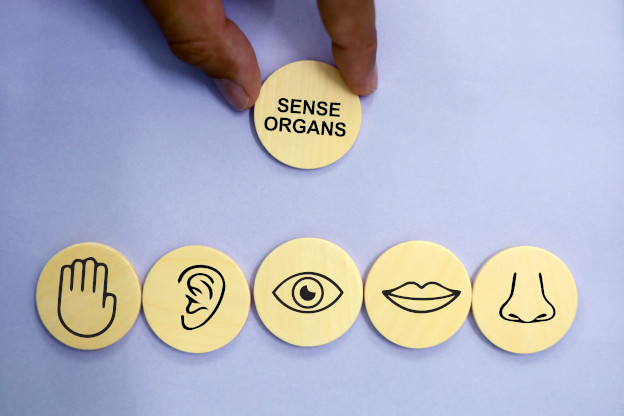
मनुष्य दुनिया की अधिकांश जानकारी अपनी पाँच इन्द्रियों के माध्यम से प्राप्त करता है। जब हम इन इन्द्रियों—देखना, सुनना, स्पर्श करना, सूंघना और स्वाद लेना—का सचेत रूप से उपयोग करते हैं, तो हमारी सीखने, समझने, अवलोकन करने और सृजन करने की क्षमता बहुत बढ़ जाती है।
जब हम एक साथ कई इन्द्रियों का उपयोग करते हैं, तो स्मरण शक्ति, रचनात्मकता, समस्या-समाधान क्षमता, संवाद कौशल और निर्णय लेने की क्षमता बेहतर हो जाती है। यह तरीका छात्रों, इंजीनियरों, शिक्षकों, प्रबंधकों, योजनाकारों, नीति निर्माताओं, प्रस्तुतकर्ताओं और युवाओं के लिए बहुत उपयोगी है।
मनुष्य की पाँच इन्द्रियाँ
मानव शरीर की पाँच मुख्य इन्द्रियाँ होती हैं:
दृष्टि (देखना)
श्रवण (सुनना)
स्पर्श (महसूस करना)
गंध (सूंघना)
स्वाद
हर इन्द्रिय मस्तिष्क को अलग-अलग प्रकार की जानकारी देती है। जब ये सभी इन्द्रियाँ मिलकर काम करती हैं, तो हमें किसी विषय या परिस्थिति की पूरी और स्पष्ट समझ मिलती है।
1. दृष्टि (देखना)
विवरण
देखना सीखने और अवलोकन करने की सबसे शक्तिशाली इन्द्रिय है।
आँखों के माध्यम से हम आकार, रंग, गति, पैटर्न और लिखित जानकारी को समझते हैं।
लगभग 70–80% सीखना दृश्य अवलोकन से होता है।
दृष्टि का प्रभावी उपयोग कैसे करें
ध्यान से अवलोकन करें
चित्र, आरेख और चार्ट पढ़ें
प्रदर्शन (डेमो) देखें
छोटे-छोटे विवरण और पैटर्न पर ध्यान दें
दृश्य प्रस्तुतियों का अध्ययन करें
विभिन्न भूमिकाओं में उपयोग
छात्र
पाठ्यपुस्तकों और चित्रों का अध्ययन
प्रयोगशाला के प्रयोग देखना
शैक्षणिक वीडियो देखना
ग्राफ और चार्ट समझना
इंजीनियर
ड्रॉइंग और ब्लूप्रिंट का अध्ययन
मशीनों के संचालन को देखना
संरचनात्मक दोष पहचानना
डिजाइन मॉडल का विश्लेषण
शिक्षक और प्रशिक्षक
दृश्य सामग्री का उपयोग
आरेख और मॉडल दिखाना
विषयों को दृश्य रूप में समझाना
प्राचार्य और प्रबंधक
टीम के व्यवहार का अवलोकन
प्रक्रियाओं की निगरानी
रिपोर्ट और डैशबोर्ड का अध्ययन
योजनाकार और नीति निर्माता
मानचित्रों का अध्ययन
शहर की योजना का अवलोकन
सांख्यिकीय चार्ट का विश्लेषण
प्रस्तुतकर्ता
आकर्षक स्लाइड बनाना
दृश्य कहानी (Visual storytelling) का उपयोग
युवा
डॉक्यूमेंट्री से सीखना
सफल लोगों और प्रणालियों का अवलोकन
2. श्रवण (सुनना)
विवरण
सुनना हमें ध्वनि और बोलचाल के माध्यम से जानकारी प्राप्त करने में मदद करता है।
ध्यानपूर्वक सुनना सीखने और नेतृत्व की सबसे महत्वपूर्ण कौशलों में से एक है।
सुनने का प्रभावी उपयोग कैसे करें
ध्यान से सुनें
बीच में बाधा न डालें
आवाज़ के भाव और लहजे को समझें
चर्चाओं से ज्ञान ग्रहण करें
विभिन्न भूमिकाओं में उपयोग
छात्र
व्याख्यान ध्यान से सुनना
चर्चा के माध्यम से सीखना
शैक्षणिक पॉडकास्ट सुनना
इंजीनियर
ग्राहक की आवश्यकताओं को समझना
तकनीकी व्याख्या सुनना
टीम मीटिंग में भाग लेना
शिक्षक
छात्रों के प्रश्न सुनना
छात्रों की कठिनाइयों को समझना
प्रबंधक
टीम की प्रतिक्रिया सुनना
कार्यस्थल की समस्याओं को समझना
नीति निर्माता
जनता की राय सुनना
विशेषज्ञों की सलाह सुनना
प्रस्तुतकर्ता
श्रोताओं की प्रतिक्रिया समझना
युवा
मार्गदर्शकों और अनुभवी लोगों से सीखना
3. स्पर्श (महसूस करना)
विवरण
स्पर्श हमें वस्तुओं के साथ सीधे संपर्क में आने की सुविधा देता है।
इसके माध्यम से हम सतह, आकार, तापमान, दबाव और भौतिक गुणों को समझते हैं।
व्यावहारिक शिक्षा के लिए हाथों से काम करना (Hands-on experience) बहुत महत्वपूर्ण है।
स्पर्श का प्रभावी उपयोग कैसे करें
प्रयोग करना
प्रोटोटाइप बनाना
उपकरणों और मशीनों को चलाना
व्यावहारिक अभ्यास करना
विभिन्न भूमिकाओं में उपयोग
छात्र
प्रयोगशाला के प्रयोग करना
व्यावहारिक मॉडल बनाना
इंजीनियर
सामग्री की जाँच करना
मशीनों को संचालित करना
प्रोटोटाइप बनाना
शिक्षक
प्रयोगों का प्रदर्शन करना
भौतिक मॉडल दिखाना
प्रबंधक
उत्पाद की गुणवत्ता समझना
योजनाकार
भौतिक संरचनाओं का अध्ययन
युवा
अभ्यास से कौशल सीखना
कारीगरी विकसित करना
4. गंध (सूंघना)
विवरण
गंध की इन्द्रिय हमें रासायनिक परिवर्तन और पर्यावरणीय स्थितियों का पता लगाने में मदद करती है।
हालाँकि अक्सर इसे नजरअंदाज किया जाता है, लेकिन यह महत्वपूर्ण जानकारी दे सकती है।
गंध का प्रभावी उपयोग कैसे करें
पर्यावरणीय खतरों का पता लगाना
सामग्री की स्थिति पहचानना
आसपास के बदलाव समझना
विभिन्न भूमिकाओं में उपयोग
छात्र
प्रयोगशाला में रासायनिक प्रतिक्रियाओं का अवलोकन
इंजीनियर
गैस रिसाव पहचानना
अधिक गर्म हो रहे उपकरणों की पहचान
शिक्षक
सुरक्षा के प्रति जागरूकता बढ़ाना
प्रबंधक
कार्यस्थल की सुरक्षा पर निगरानी
योजनाकार
पर्यावरण की गुणवत्ता का मूल्यांकन
नीति निर्माता
प्रदूषण से संबंधित समस्याओं को समझना
युवा
पर्यावरण के प्रति जागरूकता विकसित करना
5. स्वाद
विवरण
स्वाद हमें भोजन और पेय पदार्थों के स्वाद और रासायनिक संरचना को पहचानने में मदद करता है।
हालाँकि यह मुख्य रूप से भोजन से जुड़ा है, लेकिन कई उद्योगों में यह बहुत महत्वपूर्ण है।
स्वाद का प्रभावी उपयोग कैसे करें
भोजन की गुणवत्ता जाँचना
पोषण को समझना
रासायनिक संरचना का अध्ययन
विभिन्न भूमिकाओं में उपयोग
छात्र
खाद्य विज्ञान सीखना
पोषण का अध्ययन
इंजीनियर
फूड टेक्नोलॉजी
गुणवत्ता परीक्षण
शिक्षक
खाद्य विज्ञान पढ़ाना
प्रबंधक
खाद्य उत्पादों की गुणवत्ता जाँचना
नीति निर्माता
खाद्य सुरक्षा नियम बनाना
युवा
स्वस्थ खान-पान की आदतें विकसित करना
कई इन्द्रियों का एक साथ उपयोग
जब कई इन्द्रियाँ एक साथ काम करती हैं, तो मस्तिष्क बेहतर सीखता है।
उदाहरण
देखना + सुनना = बेहतर सीखना
देखना + स्पर्श करना = बेहतर समझ
सुनना + चर्चा करना = बेहतर स्मरण
इसे बहु-इन्द्रिय शिक्षण (Multi-sensory learning) कहा जाता है।
सभी इन्द्रियों के उपयोग के लाभ
बेहतर अवलोकन
मजबूत स्मरण शक्ति
गहरी समझ
अधिक रचनात्मकता
तेज़ सीखने की क्षमता
बेहतर निर्णय लेने की क्षमता
आसपास के वातावरण की बेहतर समझ
व्यावहारिक उदाहरण
मान लीजिए एक इंजीनियरिंग छात्र मशीन के बारे में सीख रहा है:
देखना → मशीन की संरचना देखना
सुनना → मशीन की आवाज़ सुनना
स्पर्श → कंपन और तापमान महसूस करना
इस प्रकार सभी इन्द्रियों का उपयोग करने से मशीन की पूरी समझ विकसित होती है।
निष्कर्ष
मानव इन्द्रियाँ सीखने और उत्पादकता के शक्तिशाली साधन हैं। जब छात्र, पेशेवर और नेता अपनी सभी इन्द्रियों का सचेत रूप से उपयोग करते हैं, तो वे अधिक सटीक अवलोकन कर सकते हैं, समस्याओं को गहराई से समझ सकते हैं और बेहतर निर्णय ले सकते हैं।
इन्द्रियों का सही उपयोग बेहतर शिक्षा, बेहतर नेतृत्व और बेहतर नवाचार की ओर ले जाता है।
How to Use All the Senses to Extract Maximum Output
Human beings receive most information from the world through their five senses. When we consciously use these senses—sight, hearing, touch, smell, and taste—our ability to learn, observe, understand, and create increases greatly.
Using multiple senses together improves memory, creativity, problem-solving, communication, and decision-making. This approach is very useful for students, engineers, teachers, managers, planners, policymakers, presenters, and young professionals.
The Five Human Senses
The five basic senses are:
Sight (Vision)
Hearing (Listening)
Touch (Feeling)
Smell
Taste
Each sense provides different types of information to the brain. When they work together, they produce a complete understanding of a situation or subject.
1. Sight (Vision)
Description
Sight is the most powerful sense for learning and observation.
Through the eyes we observe shapes, colors, movements, patterns, and written information.
Around 70–80% of human learning happens through visual observation.
How to Use Vision Effectively
Observe carefully
Read diagrams and charts
Watch demonstrations
Notice details and patterns
Study visual presentations
Applications for Different Roles
Students
Reading textbooks and diagrams
Observing laboratory experiments
Watching educational videos
Understanding graphs and charts
Engineers
Studying drawings and blueprints
Observing machine operations
Detecting structural defects
Analyzing design models
Teachers and Instructors
Using visual aids
Showing diagrams and models
Demonstrating concepts visually
Principals and Managers
Observing team behavior
Monitoring processes
Studying dashboards and reports
Planners and Policy Makers
Studying maps
Observing city layouts
Analyzing statistical charts
Presenters
Designing attractive slides
Using visual storytelling
Youth
Learning from documentaries
Observing successful people and systems
2. Hearing (Listening)
Description
Hearing helps us receive information through sound and spoken communication.
Active listening is one of the most important skills for learning and leadership.
How to Use Hearing Effectively
Listen attentively
Avoid interruptions
Understand tone and emotions
Absorb knowledge from discussions
Applications for Different Roles
Students
Listening carefully in lectures
Learning through discussions
Listening to educational podcasts
Engineers
Understanding client requirements
Listening to technical explanations
Participating in team meetings
Teachers
Listening to student questions
Understanding student difficulties
Managers
Listening to team feedback
Understanding workplace problems
Policy Makers
Listening to public opinions
Hearing expert advice
Presenters
Understanding audience reactions
Youth
Learning from mentors and experienced people
3. Touch (Feeling)
Description
Touch allows us to physically interact with objects.
It helps us understand texture, shape, temperature, pressure, and physical properties.
Hands-on experience is extremely important for practical learning.
How to Use Touch Effectively
Conduct experiments
Build prototypes
Handle tools and equipment
Practice practical activities
Applications for Different Roles
Students
Performing laboratory experiments
Working on practical models
Engineers
Inspecting materials
Operating machinery
Building prototypes
Teachers
Demonstrating experiments
Showing physical models
Managers
Understanding product quality
Planners
Studying physical infrastructure
Youth
Learning skills through practice
Developing craftsmanship
4. Smell
Description
The sense of smell helps detect chemical changes and environmental conditions.
Although often ignored, smell can provide important information.
How to Use Smell Effectively
Detect environmental hazards
Identify material conditions
Recognize changes in surroundings
Applications for Different Roles
Students
Observing chemical reactions in laboratories
Engineers
Detecting gas leaks
Identifying overheating equipment
Teachers
Demonstrating safety awareness
Managers
Monitoring workplace safety
Planners
Evaluating environmental quality
Policy Makers
Understanding pollution issues
Youth
Developing environmental awareness
5. Taste
Description
Taste helps identify flavors and chemical compositions of food and liquids.
Although mainly related to food, it is very important in several industries.
How to Use Taste Effectively
Evaluating food quality
Understanding nutrition
Studying chemical compositions
Applications for Different Roles
Students
Learning food science
Studying nutrition
Engineers
Food technology
Quality testing
Teachers
Teaching food science
Managers
Evaluating food products
Policy Makers
Food safety regulations
Youth
Developing healthy eating habits
Using Multiple Senses Together
The brain learns best when multiple senses are engaged simultaneously.
Examples:
Watching + Listening = Better learning
Seeing + Touching = Better understanding
Listening + Discussing = Better memory
This is called multi-sensory learning.
Benefits of Using All Senses
Better observation
Stronger memory
Deeper understanding
Improved creativity
Faster learning
Better decision-making
Greater awareness of surroundings
Practical Example
Imagine an engineering student learning about a machine:
Sight → observing machine structure
Hearing → listening to operation sound
Touch → feeling vibration and temperature
Using all senses together provides complete understanding of the system.
Conclusion
Human senses are powerful tools for learning and productivity. When students, professionals, and leaders consciously use all their senses, they can observe more accurately, understand problems deeply, and make better decisions.
The effective use of senses leads to better learning, better leadership, and better innovation.